2026 november 9.
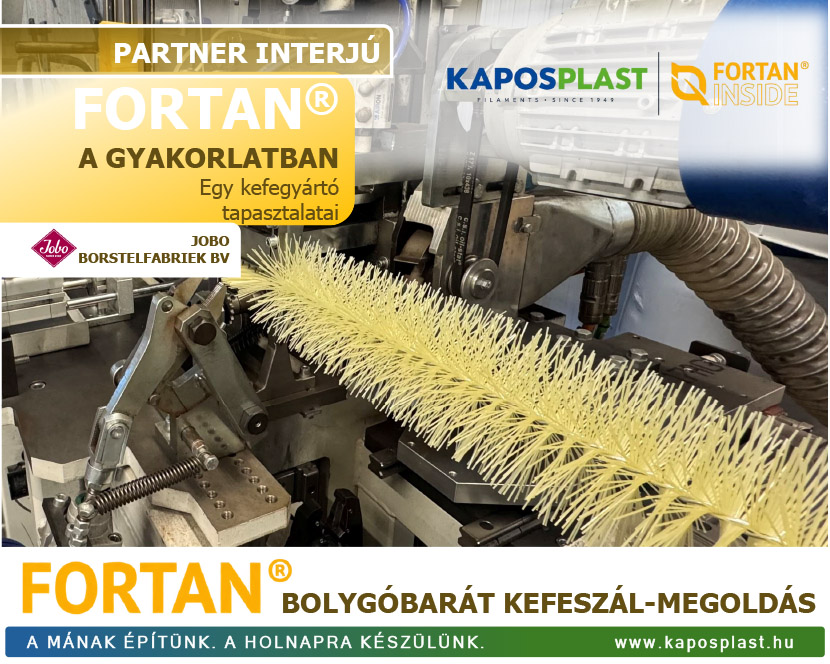
A FORTAN® a gyakorlatban – egy kefegyártó tapasztalatai
A FORTAN® a gyakorlatban – a Jobo Borstelfabriek tapasztalatai
Egy új, alternatív alapanyag bevezetése a kefegyártásban számos kérdést vet fel. Hogyan teljesít a gyakorlatban? Feldolgozható-e a meglévő gépeken? És mit gondolnak róla azok a gyártók, akik már kipróbálták?
Ezekre a kérdésekre kerestük a választ Elizabeth Bols-szal, a holland Jobo Borstelfabriek BV tulajdonosával. A kefegyártó vállalat gyakorlati tapasztalatokat szerzett a FORTAN® kefeszál felhasználásával kapcsolatban.
Az interjúban Elizabeth a FORTAN® kefeszál tesztelésének kezdeti motivációitól kezdve a feldolgozás és a kész kefék teljesítményén át egészen az alapanyag kefegyártásban betöltött lehetséges jövőbeni szerepéig osztja meg tapasztalatait.
Az interjú eredeti, angol nyelven olvasható. Elizabeth személyes gondolatait és tapasztalatait eredeti megfogalmazásukban szeretnénk bemutatni, ezért az interjút nem fordítottuk le.
Interjú Elizabeth Bols-szal
- What made you interested in testing FORTAN® as a brush filament in the first place?
“I like the thinking behind FORTAN®. There are so many sustainability claims today that it is hard to tell which ones are true. Stefaan De Wildeman (editor’s note: Founder and CEO of B4Plastics) visited us, and we talked for hours about FORTAN®. I wanted to understand why FORTAN® is better than regular plastic and be sure it wasn't greenwashing. Speaking with him, I felt his genuine commitment. He has invested a lot of time and energy into making it work, which gives us the confidence to explore it ourselves.
What I like most about FORTAN® is that it looks at the whole life of the material: how it is made, what happens during use and what happens when it is no longer needed. It uses bio-based raw materials and is designed to be broken down by microorganisms. This does not happen overnight, and the conditions matter, but that is what makes it so interesting to me.
There is still more to learn, but I see a promising opportunity to improve something we use every day.”
- Based on your experience so far, how has FORTAN® performed during filament processing, handling and brush-making?
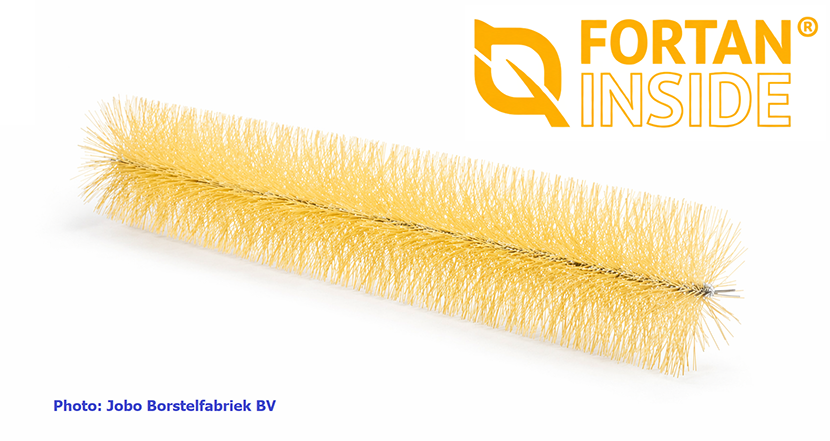
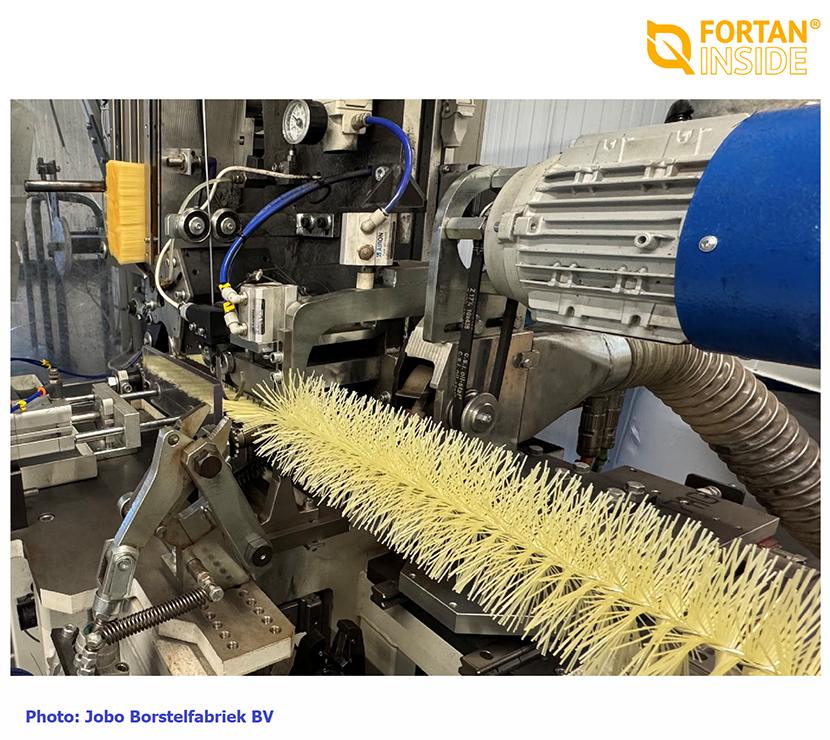
“Our experience has been good. In our brush-making process, FORTAN® handles just as well as nylon, and we have not encountered any problems with the machines. It is a pleasant material to work with and fits well into the way we make our brushes.
This is important. We can use the same machines and the same way of working, so it is much easier to take this first step towards a better alternative.”
- What has been your experience with the finished brushes made using FORTAN® filament, and what potential do you see for this material in the brush industry?
“The results so far have been positive. In terms of brushing performance, we find it comparable to nylon 6, and we have been satisfied with how the brushes work. It is too early for us to draw firm conclusions about long-term wear, although the initial signs are encouraging. We want to give that assessment enough time.
I see good potential for FORTAN® in applications where we currently use nylon 6. Our experience so far gives us a good reason to keep exploring what we can make with it.”
- Environmental considerations are becoming increasingly relevant across many industries. How do you see these changing expectations influencing material choices in brush manufacturing?
“For a lot of our customers, price is still the most important factor. I understand that, but if we want to make progress, companies should think more about the environment when they buy something.
Personally, I believe government organisations could lead by example, especially because they want a circular economy. Choosing brushes made with materials such as FORTAN® would be a practical step. A FORTAN® broom costs a little more, but it is not too expensive. And because a broom lasts a long time, a few extra euros make very little difference over its lifetime.
But we do have interest from organisations that care a lot about the environment. For example, Natuurmonumenten, a Dutch organisation that protects nature, has purchased boot scrapers from us with FORTAN® bristles. It is encouraging to see that interest turn into a practical choice.”
- What advice would you give to other brush manufacturers who are considering working with alternative materials such as FORTAN® ?
“Start small. Try it on your own machines, see how it runs and explore what you can make with it. You can learn a lot from a first trial.
We would be happy to see other brush manufacturers working with FORTAN® too. We do not feel we need exclusive access to it. The market is large enough, and wider adoption would give us more opportunity to make progress towards a better world together.”
- Is there anything else you would like to share with our audience?
“If everyone takes a small step towards a more sustainable future, all those small steps together make one big step. It does not have to be difficult or exciting. You can start by buying a FORTAN® broom. :)”
Együttműködéssel a fejlődés útján
A Kaposplastnál hiszünk abban, hogy az anyagfejlesztés és az innováció alapja az együttműködés és a gyakorlati tapasztalat. A FORTAN® alapanyagot a belga B4Plastics fejlesztette ki, a Kaposplast pedig kefeszállá dolgozza fel, így az innovatív anyag a kefeiparban is alkalmazhatóvá válik.
Szeretnénk megköszönni Elizabeth Bols-nak és a Jobo Borstelfabriek csapatának, hogy megosztották velünk tapasztalataikat és meglátásaikat. A gyártóktól érkező gyakorlati visszajelzések fontos szerepet játszanak az alternatív alapanyagok lehetőségeinek és alkalmazási területeinek megismerésében.
Érdekli a FORTAN® kefeszálban rejlő lehetőség?
Ha többet szeretne megtudni az alapanyagról, megvitatná a lehetséges alkalmazási területeket, vagy saját kefegyártásában is kipróbálná, örömmel állunk rendelkezésére.
Értékesítési csapatunk örömmel ad további tájékoztatást, és egyeztet a lehetséges alkalmazásokról.
E-mail: sales@kaposplast.hu
Vissza